About Woodland Plantation Museum
Three Interwoven Stories
On this land, histories of freedom-making, music, and extraction converge. We interpret three interwoven stories: the 1811 German Coast Uprising, the world-changing legacy of jazz pioneer Kid Ory, and the long arc from plantation economies to today’s petrochemical corridor.
As one of the public-facing cultural heritage spaces of the organization, we make visible the work of preservation, advocacy, and community care that The Descendants Project advances across the region.
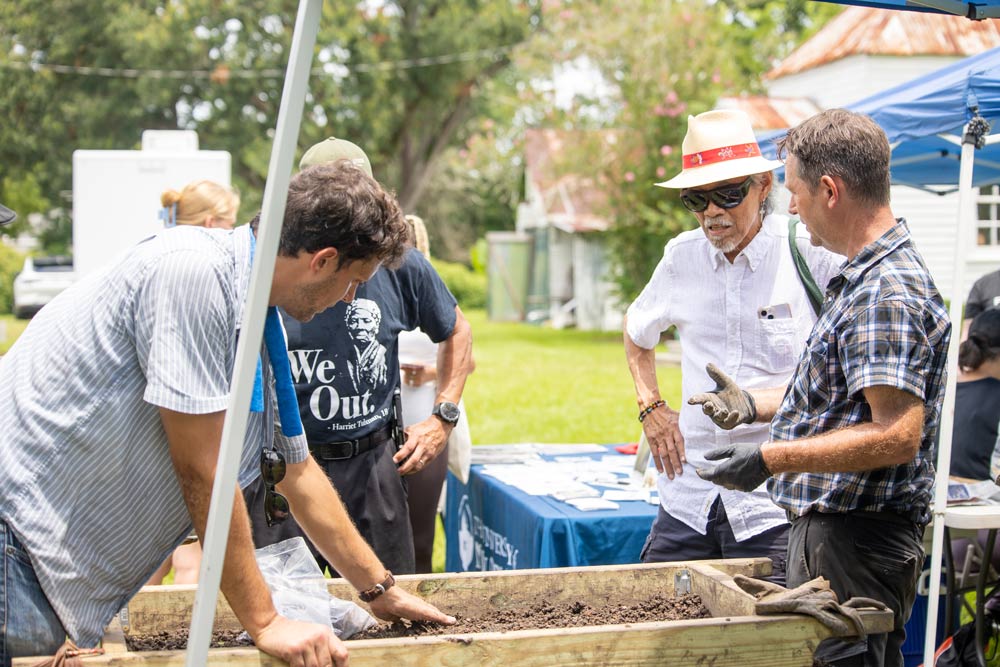
We are committed to public learning that is honest, grounded, and welcoming. Through exhibitions, research, and programs on the grounds, we invite visitors to encounter the past as something both alive and future-facing – creating and shaping community, ecology, and possibility in the present.
Trauma-Informed Statement
Woodland Plantation Museum is a trauma-informed museum because the histories held here are not abstract. They live in bodies, families, and landscapes. This means that our work embodies a care-centered approach to interpreting the deep and sometimes painful realities of our past and present. The 1811 German Coast Uprising, the legacy of Kid Ory, and the long arc from plantation economies to the petrochemical corridor carry legacies of violence, displacement, resilience, and creativity that can stir grief, anger, fatigue, or reflection. We believe visitors deserve care as they encounter this place.
To be trauma-informed means we design experiences that prioritize dignity, choice, and emotional safety without avoiding the truth. We aim to reduce overwhelm and support regulation of the nervous system through clear orientation and expectations, welcoming staff practices, options for pacing and breaks, and multiple ways to engage (quiet reflection, guided learning, conversation, or stepping away). Our programs and exhibitions invite visitors to listen to their bodies, take what they need, and move through the site with agency.
This approach is part of our descendant-led ethic of care: we hold difficult history with honesty, and we hold people with respect. We want Woodland to be a place where learning can happen steadily, thoughtfully, and in community so that cultural memory becomes not only something we preserve, but something that can be faced, felt, and carried forward.
Woodland: Origin Site
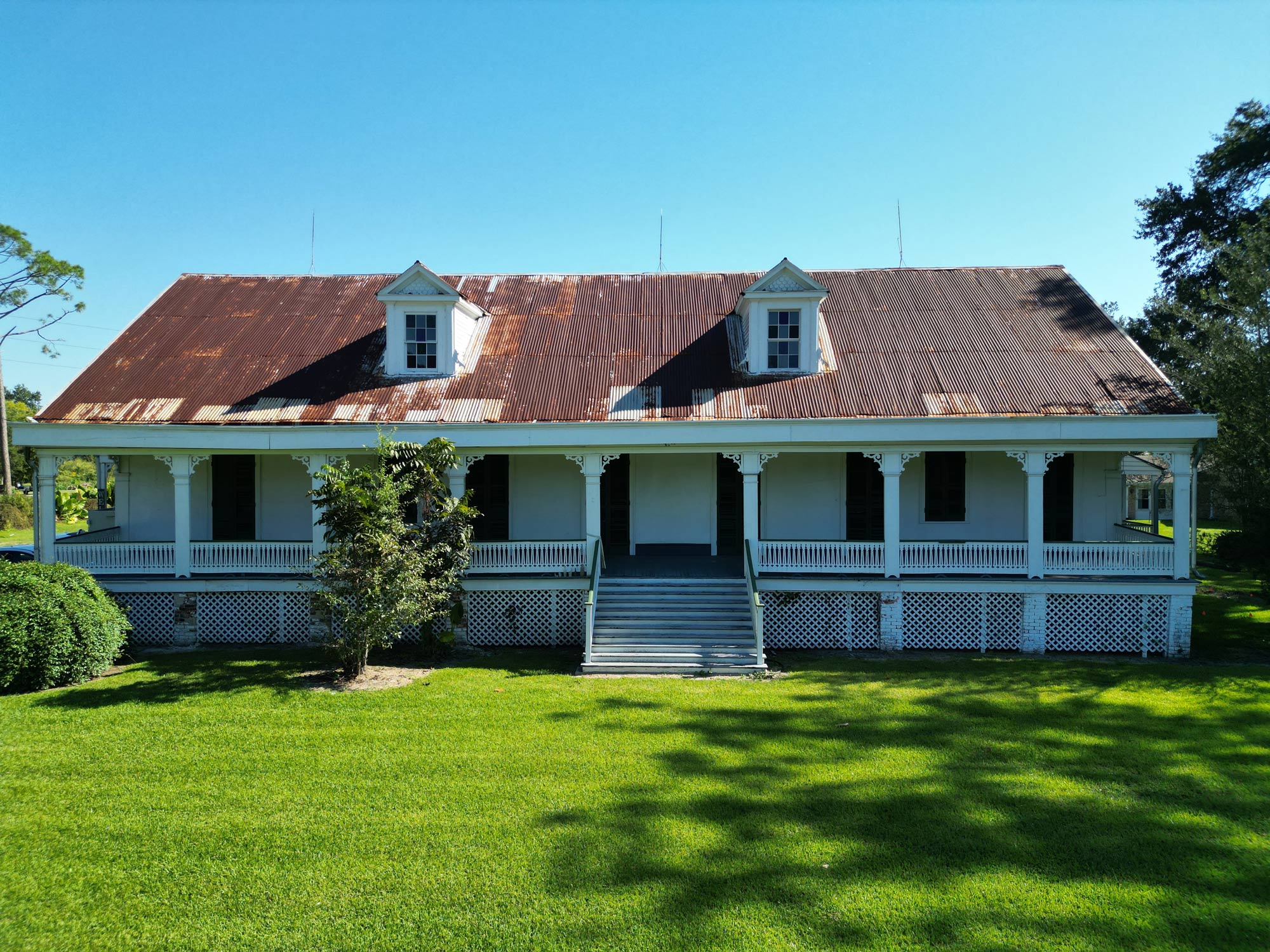
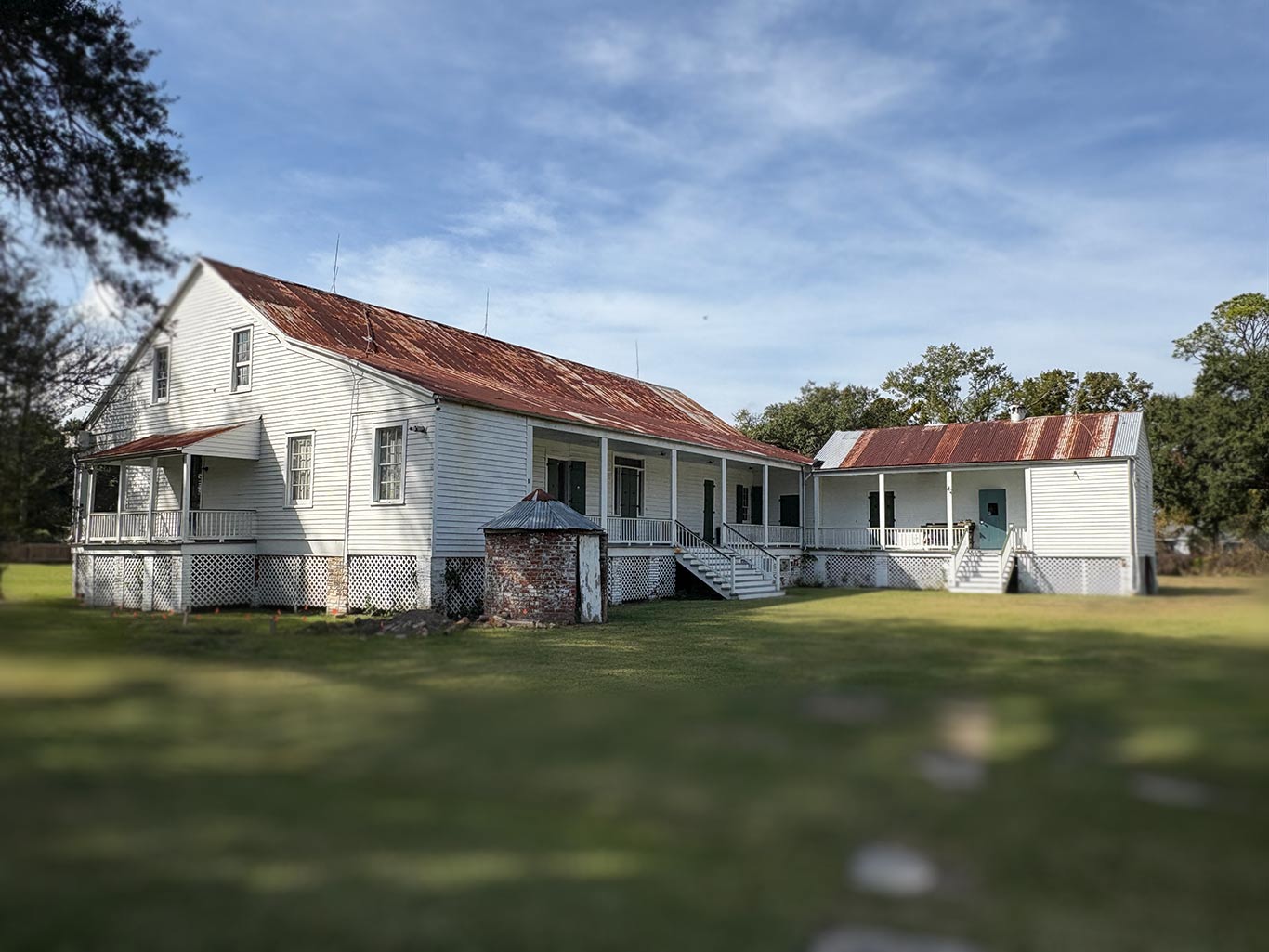
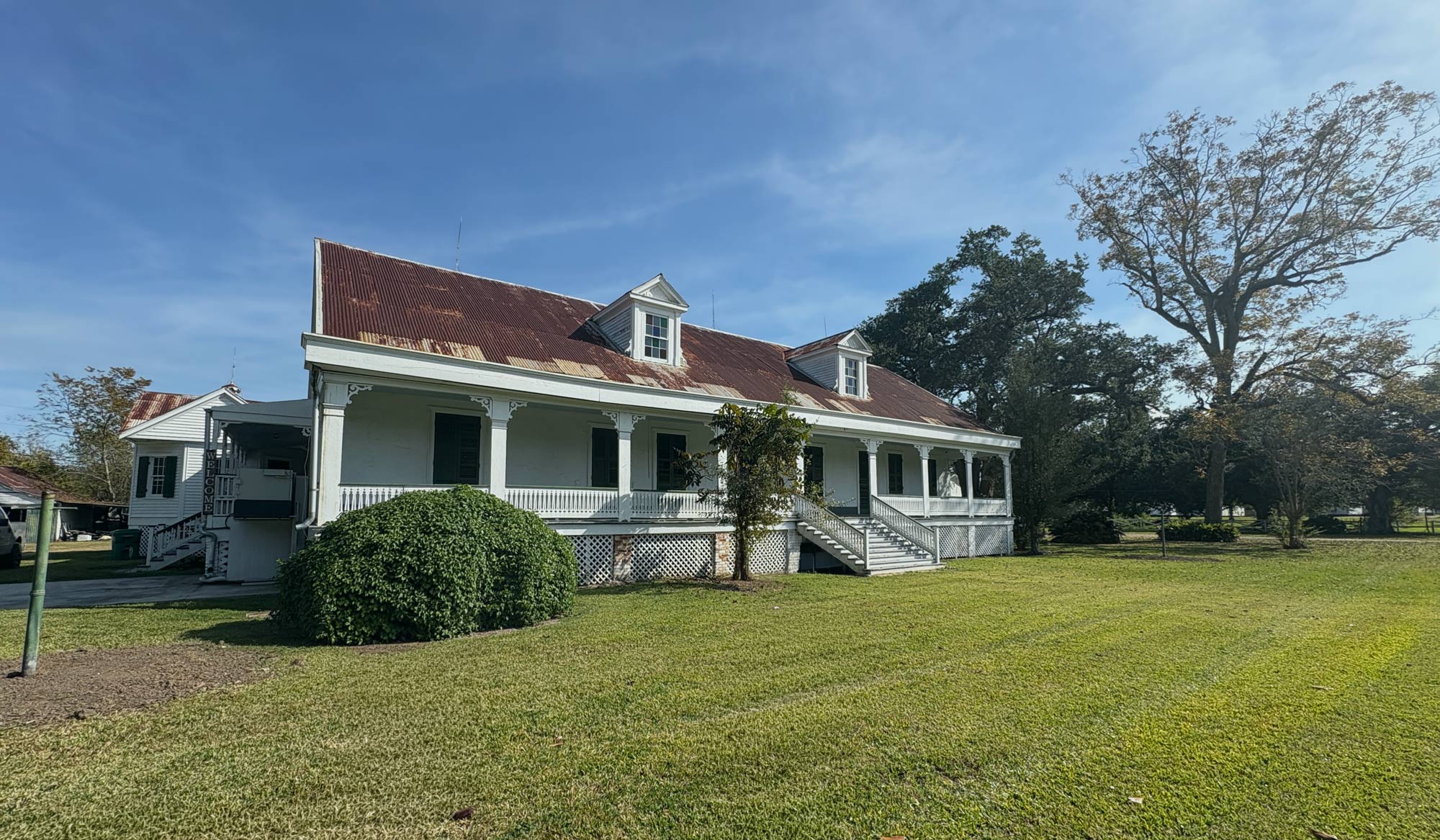
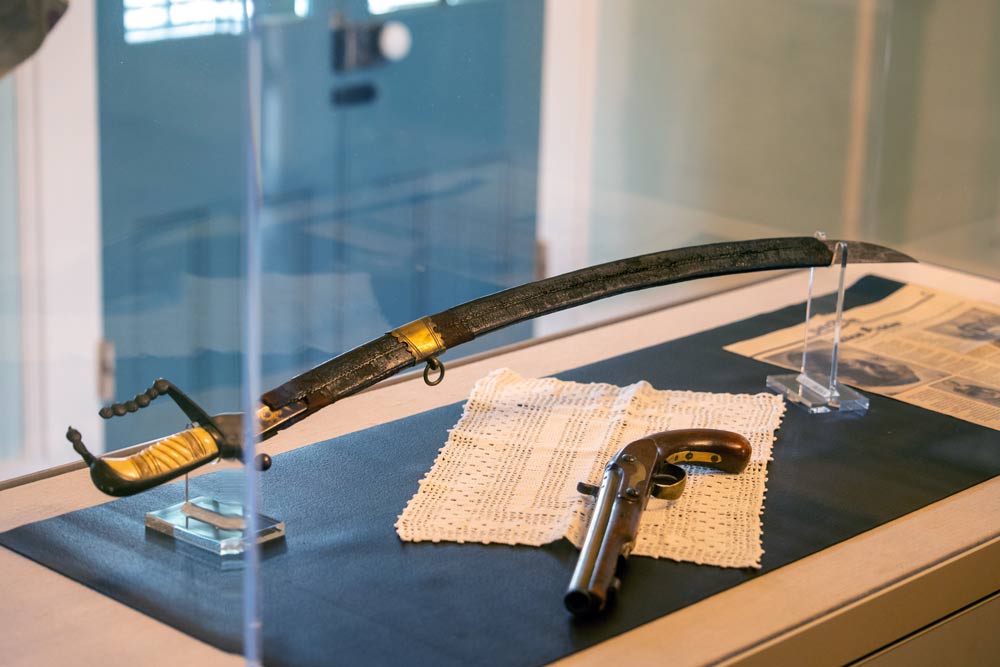
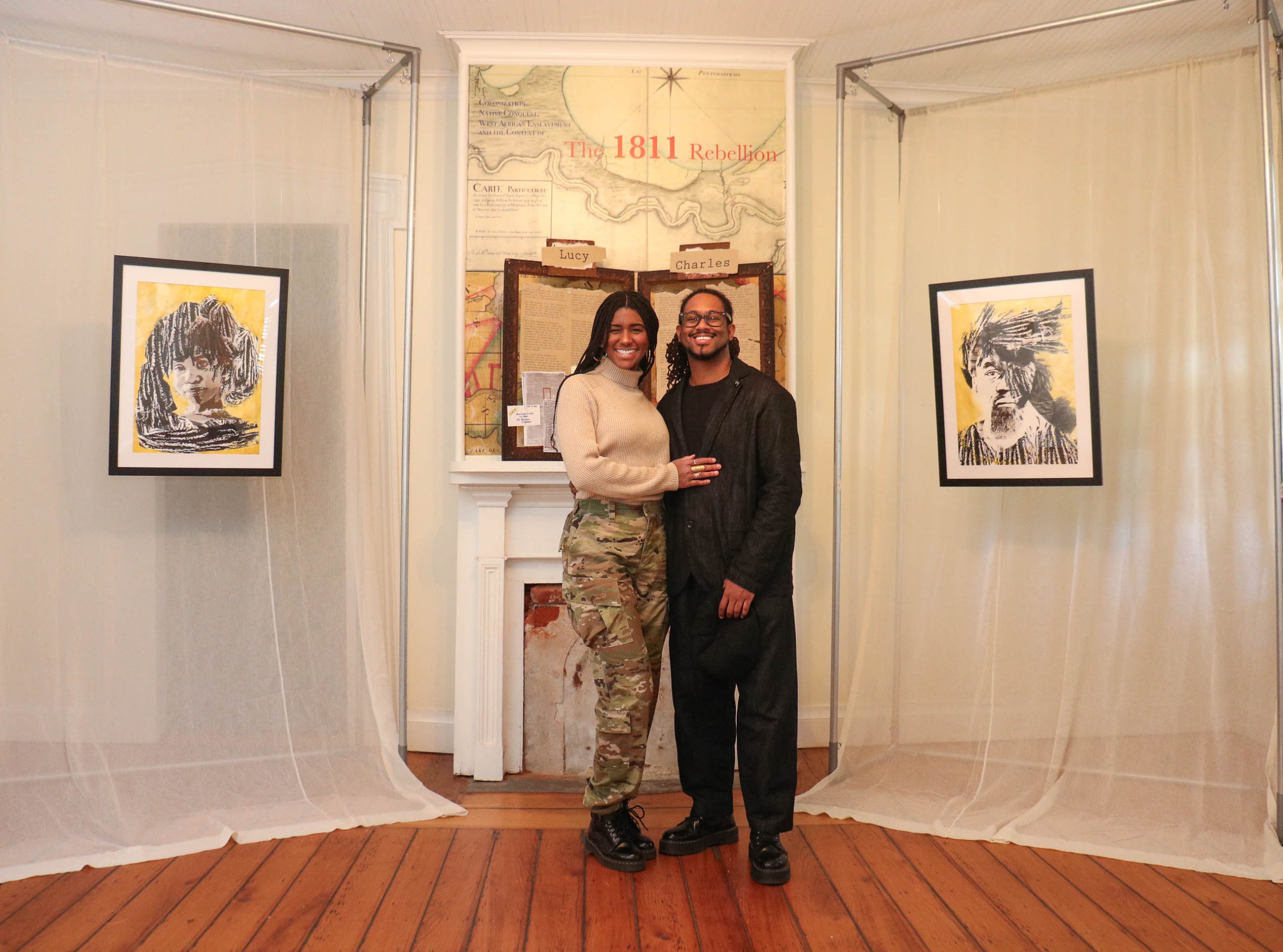
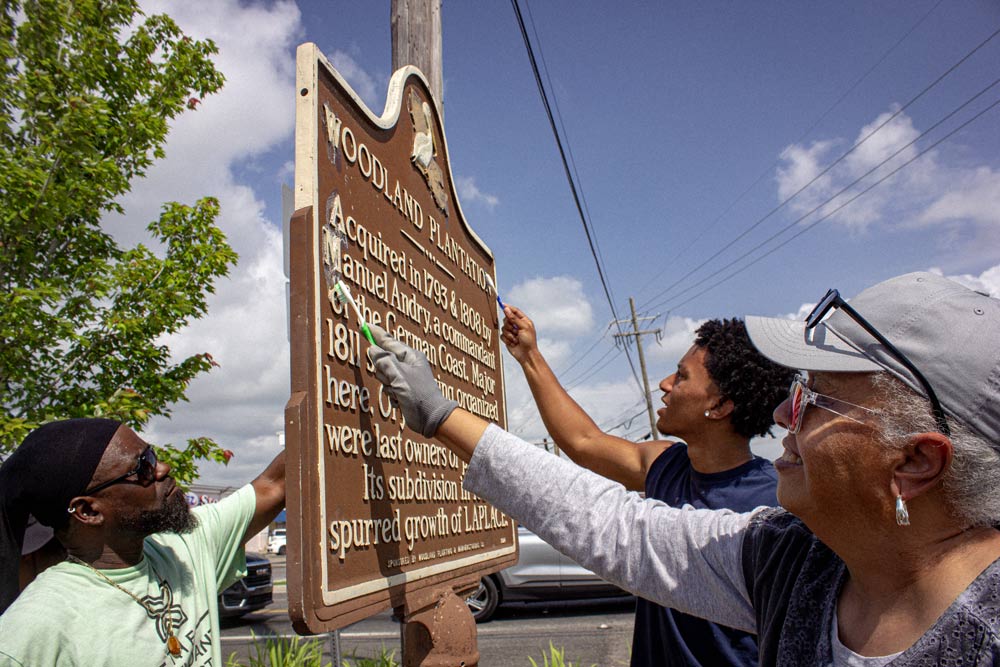
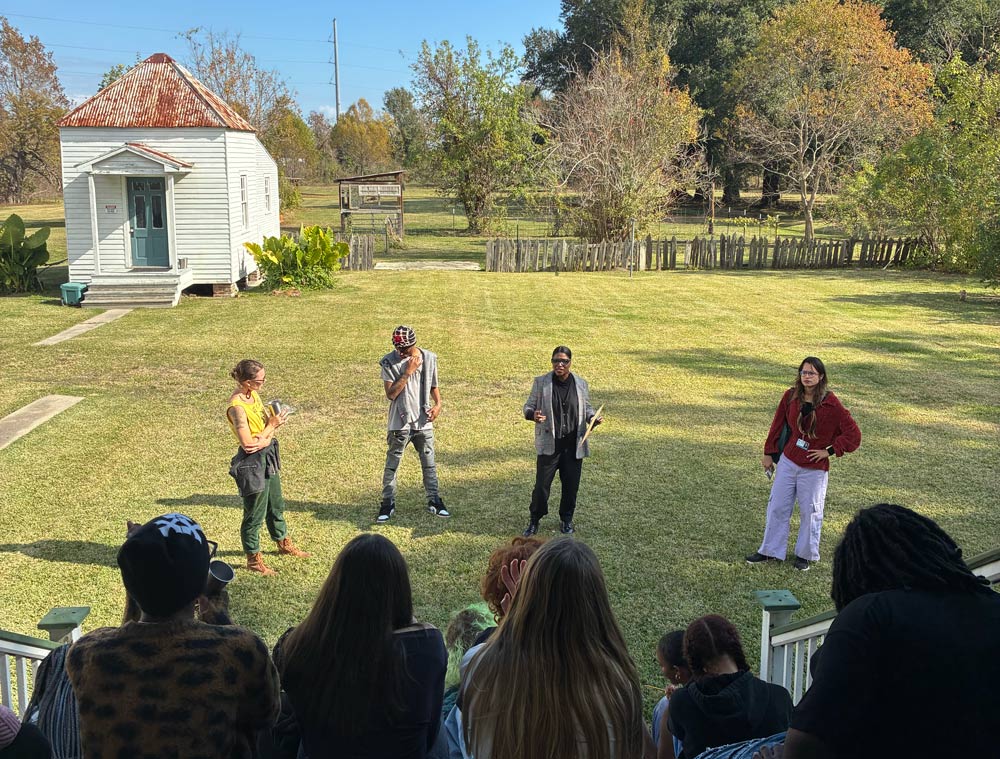
You are standing on a site where history is not abstract. It is grounded. In 1811, this was the plantation of Manuel Andry, where the 1811 German Coast Uprising began on January 8, 1811. It was the largest enslaved revolt in American history.
This house is also the birthplace of Edward “Kid” Ory (December 25, 1886), a jazz pioneer whose trombone helped shape the sound we now recognize as New Orleans jazz.
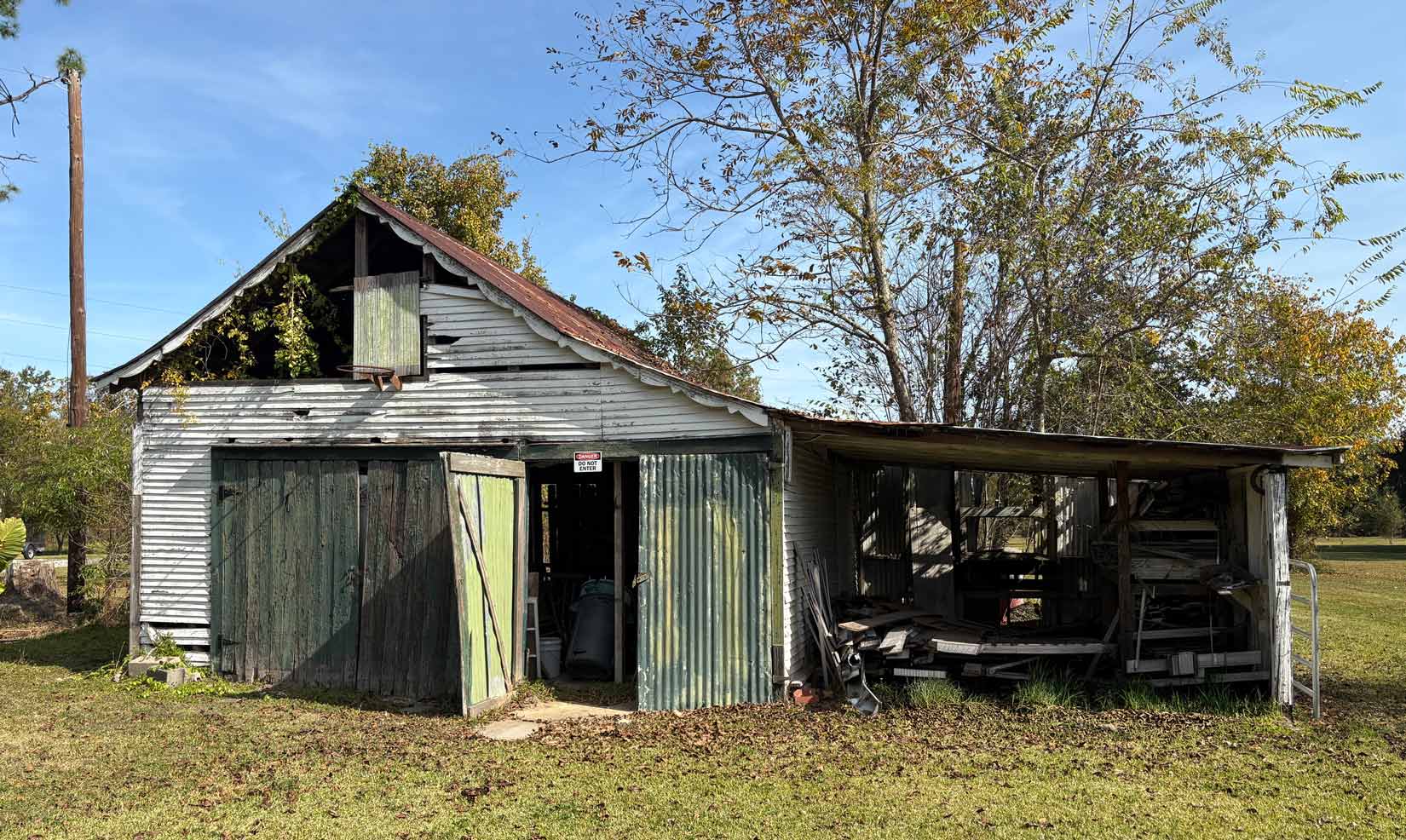
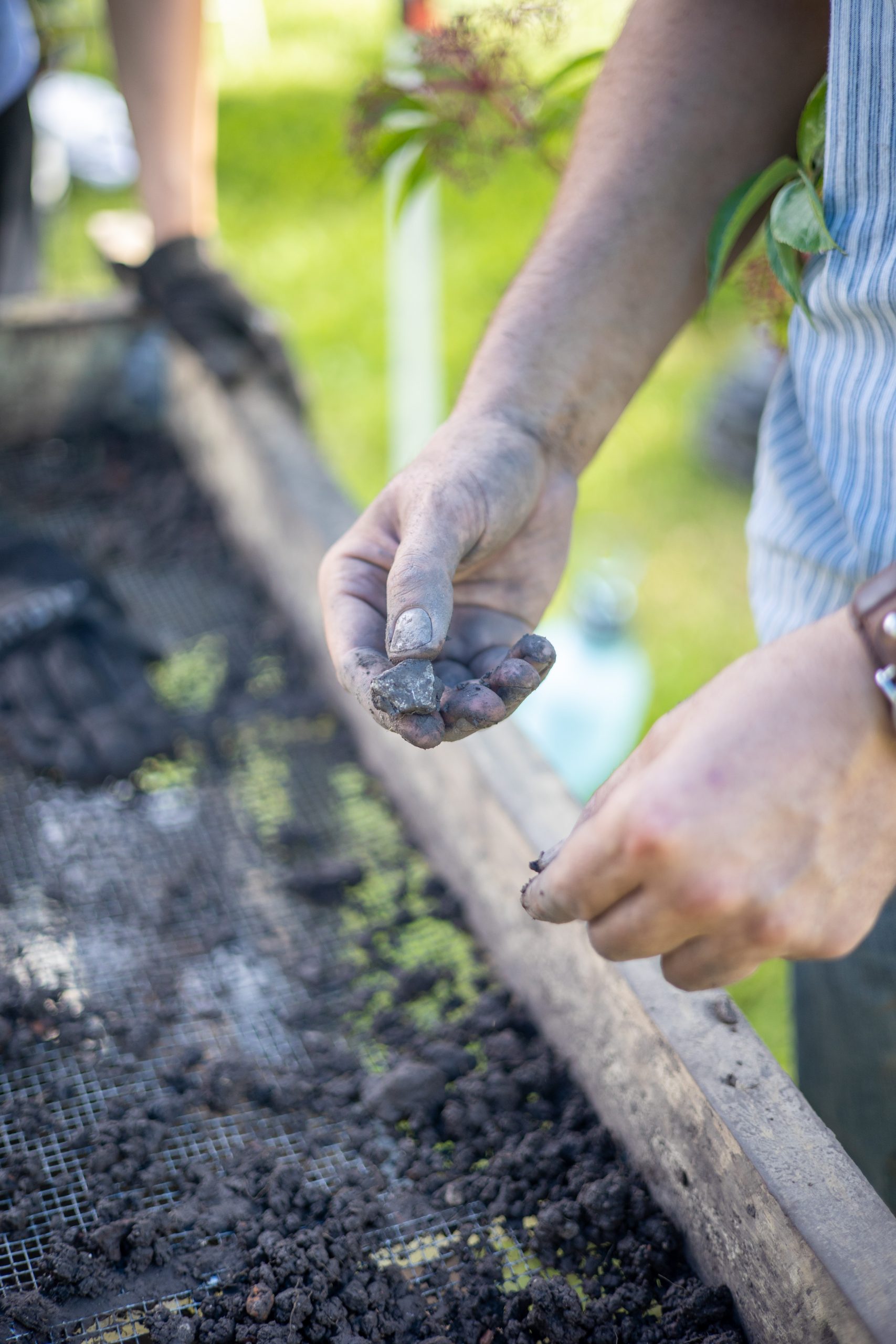
Woodland is a museum of land as much as a museum of rooms. These grounds hold generations of people who lived, loved, and labored here—people whose names are often missing from the archive, but not from the soil. And this place sits inside a later, ongoing transformation: the Mississippi River petrochemical corridor, where dense industrial development has produced profound environmental and public health burdens for nearby communities.
As you enter, we invite you to move slowly, listen closely, and let this place tell the story it has been holding.
Gallery