Who we are
Woodland Museum & Cultural Center’s
Radical Hospitality Policy
In the context of Museums Radical hospitality is more than generosity or good customer service; it is the practice of welcoming others as a political, ethical, and spiritual act. It challenges inherited systems of exclusion and power by creating conditions where everyone, especially those historically marginalized or harmed by institutions, can feel safe, seen, and sovereign in their presence.
Here’s a breakdown of what it means across different dimensions:
1. Etymology and Ethos
The word hospitality comes from the Latin hospes, meaning both “guest” and “host.” In radical hospitality, these boundaries blur:
The museum is not simply a host; it is a participant in an exchange.
Visitors, descendants, and community members are not “guests” to be managed; they are co-stewards of space.
Every interaction becomes an opportunity to undo hierarchies of knowledge, authority, and belonging.
2. Philosophical and Spiritual Roots
Radical hospitality has deep resonance in Black, Indigenous, and spiritual traditions of welcome and community care.
To practice radical hospitality is to say:
- In Black liberation theology, it means opening space for those who have been denied sanctuary.
- In Indigenous worldviews, it parallels relational accountability: to land, ancestors, and all beings who enter a space.
- In womanist and feminist thought, it’s a form of care ethics: welcoming without erasure, tending without possession.
“You are not merely allowed here, you are essential to the life of this place.”
3. In Institutional and Curatorial Practice
Radical hospitality is also grounded and bodily.
For Woodland Becoming, radical hospitality means:
- It asks: How does a space invite breath, stillness, and release?
- How does the land welcome a visitor, and how does the visitor acknowledge the land in return?
- It transforms “visitor experience” into a ritual of reciprocity.
4. Somatic and Ecological Resonance
Radical hospitality is also grounded and bodily.
- It asks: How does a space invite breath, stillness, and release?
- How does the land welcome a visitor, and how does the visitor acknowledge the land in return?
- It transforms “visitor experience” into a ritual of reciprocity.
5. In the Context of Woodland: Becoming
For Woodland Becoming, radical hospitality means:
- The land itself offers welcome: to descendants, to visitors, to all who arrive.
- The museum staff practice attunement and care, recognizing that everyone brings their full histories and nervous systems to the space.
- The act of walking the grounds is framed as entering a relationship, not consuming an exhibit.
- Those who step onto the land are not outsiders. They become part of the emancipatory process, co-writing the museum’s unfolding story.
In short:
Radical hospitality is freedom enacted as welcome.
It is how a revolutionary museum receives and holds its people: not as visitors to a past, but as co-creators of a liberated present.
Digging in
Curatorial Manifesto
Written from the future we have already imagined and are already building.
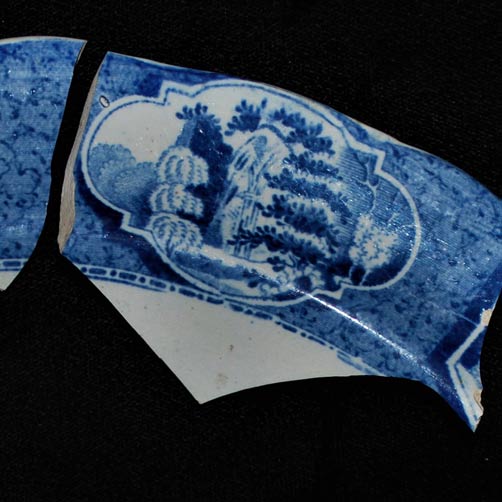
Radical Hospitality
A place where people can enter without fear. A place that knows how to hold the trembling. A place where guests know they’ve entered into homecoming.
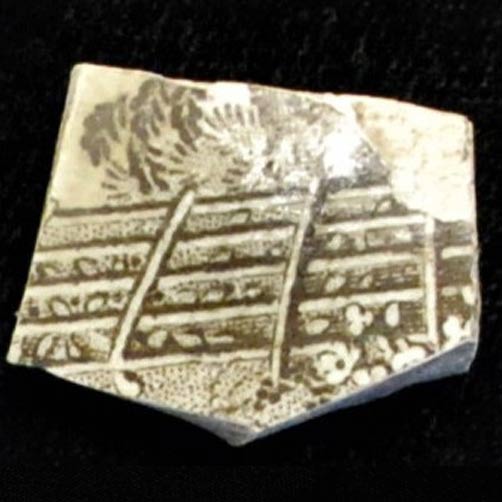
Trauma Informed
The histories held here are not abstract. They live in bodies, families, and landscapes.
Your Support
Woodland Plantation Museum & Cultural Centers in La Place, Louisiana, 30 minutes from New Orleans,
along the Mississippi River in Louisiana’s River Parishes
Sponsors & Partners
Much gratitude to those who walk with us